How Electrical Panels Contribute to Long-Term Property Safety and Reliability
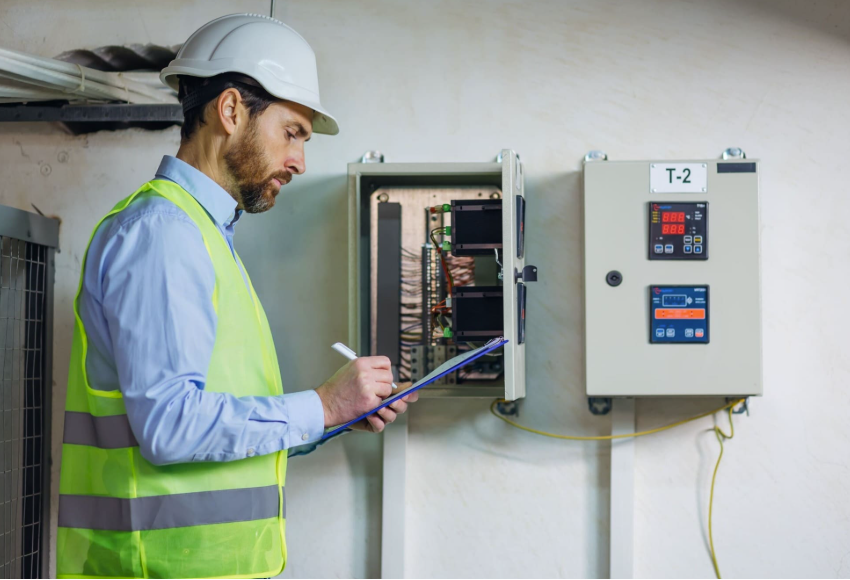
A reliable residential electrical system depends on several interconnected components, including wiring, protective devices, grounding arrangements, and distribution equipment.
The electrical panel connects many of these elements by directing electricity through individual circuits and providing centralized circuit protection.
Although homeowners may rarely interact with this equipment, its condition plays an important role in the long-term performance of a property.
Electrical Panels as Part of a Complete System
An electrical panel does not operate independently.
Its performance depends on the electrical supply, connected conductors, breakers, appliances, and installation conditions.
A properly maintained panel cannot fully compensate for damaged wiring elsewhere in the building.
Similarly, safe branch-circuit wiring does not eliminate the risks created by defective distribution equipment.
Electrical safety therefore requires an evaluation of the complete system rather than focusing on one component.
The Role of Protective Devices
Circuit breakers help protect wiring from excessive electrical current.
Different protective devices may also address specific hazards, such as ground faults or certain arcing conditions.
However, no single protective device eliminates every type of electrical danger.
Correct installation, suitable equipment selection, and good maintenance remain essential.
Why Protective Coordination Matters
Electrical protection must be compatible with the conductors and equipment involved.
Incorrectly selected devices can allow unsafe conditions or cause unnecessary interruptions.
Professionals evaluate these relationships when designing or modifying electrical systems.
Electrical Reliability and Household Activities
Unexpected electrical interruptions can affect everyday activities and essential equipment.
Refrigeration, communications, lighting, heating, and medical equipment may depend on consistent electricity availability.
A properly designed electrical distribution system supports dependable operation by providing suitable circuits and protective equipment.
Nevertheless, the panel cannot prevent utility power outages or guarantee uninterrupted electricity.
Backup systems, where needed, require their own appropriate design and safety provisions.
How Building Age Influences Electrical Systems
Older homes may contain electrical components installed under earlier standards and for different household needs.
Their condition varies according to original workmanship, modifications, maintenance, and environmental exposure.
Age alone does not establish whether a panel is unsafe.
However, older equipment deserves careful evaluation when replacement components are unavailable, damage is visible, or significant new loads are planned.
The Effects of Renovations and Property Changes
Home renovations can substantially change electrical requirements.
Kitchen remodeling, garage conversions, additional rooms, and new heating systems may require circuits that were not included in the original installation.
Evaluating Existing Wiring
Before adding major loads, electricians may review conductor ratings, circuit arrangements, and the condition of existing electrical equipment.
Planning Distribution Improvements
If the existing system is unsuitable for a planned project, an electrical panel upgrade may be recommended as one part of the necessary electrical modifications.
Other work may include branch-circuit additions, grounding corrections, service changes, or replacement of damaged components.
The project scope should reflect actual electrical requirements rather than assumptions.
The Importance of Quality Electrical Work
Electrical installation quality has lasting consequences.
Poor terminations, unsuitable materials, incompatible breakers, and improper grounding arrangements can introduce hazards that remain unnoticed for years.
Working with appropriately licensed and qualified electricians helps ensure modifications follow relevant standards.
Where required, permits and inspections provide additional oversight.
Electrical Safety Awareness for Homeowners
Homeowners can contribute to electrical safety by recognizing warning signs and understanding the limitations of DIY maintenance.
Unusual electrical odors, unexplained breaker trips, damaged receptacles, and visible panel deterioration should not be ignored.
Electrical enclosures should remain closed and accessible.
Children should not be allowed to play with electrical distribution equipment.
Any suspected serious fault requires appropriate precautions and professional assistance.
Preparing for Future Technology
Residential electrical requirements continue to evolve as households adopt new technologies.
Electric vehicle charging, battery storage, solar generation, and electric heating may introduce additional system design considerations.
Some installations may require specialized disconnects, compatible equipment, labeling, or utility coordination.
Future planning should focus on realistic equipment needs and applicable safety requirements.
Conclusion
Electrical panels contribute significantly to residential electrical reliability and safety, but they are only one part of a complete electrical system.
Their long-term performance depends on proper installation, compatible protective devices, suitable load capacity, and professional maintenance.
By understanding the relationship between distribution equipment and the wider electrical infrastructure, homeowners can make informed decisions that support safe and dependable property operation.